Reduce Noise in a Home Office: 7 Easy Tips, No Soundproofing
You can reduce noise in a busy home office without ripping out a wall or hiring a contractor. That is good news if your workday competes with barking dogs, school drop-offs, a clattering dishwasher and a neighbor’s leaf blower. Many of us rent, and even homeowners rarely want to build a room within a room. Small changes still add up. Think of noise as a puzzle with four moves: block what you can, absorb what bounces around, mask what is left, and agree on rules with the people you live with. This guide covers seven simple fixes, then shows you how to keep your video meetings clean. Most cost very little, and you can try several in one weekend.
Why Your Home Office Feels Louder Than a Real One
Professional offices use carpet tiles, ceiling panels and fabric partitions. Homes usually do not. Hard floors, bare walls and big windows bounce sound around, so one voice or a dropped pan seems to come from everywhere at once. Sound also slips through gaps, especially around doors. And volume is only part of the story. Sudden, unpredictable sounds, like a doorbell or a shout from the next room, often break your focus more than a steady hum does. So the goal is not perfect silence. The goal is to soften echoes, close leaks and cover the spikes. Treat each fix below as one layer. No single layer works miracles, but three or four together can make a room feel much calmer. If you want to dig deeper, our guide on Shared Home Office Setup: 7 Easy Ways for Couples to Focus covers this in more detail. This is a common part of dealing with reduce noise, and it is worth keeping in mind.
7 Easy Ways to Reduce Noise Without Soundproofing
Tip 1: Rework Your Home Office Layout
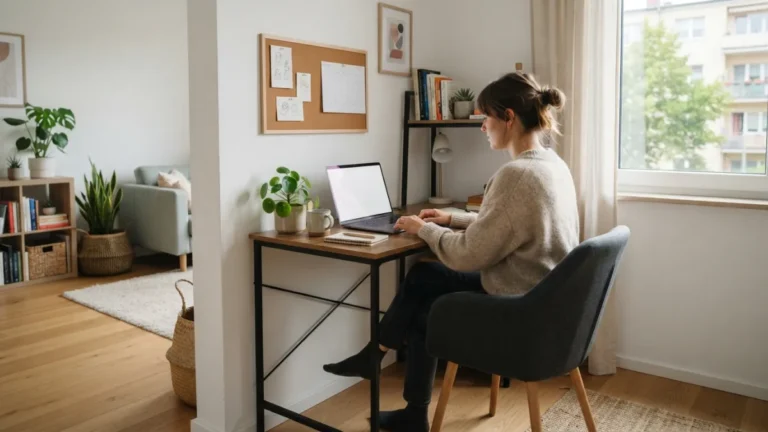
Your home office layout shapes how much noise reaches your ears before you buy anything. Start with location. If you have a choice, pick the room farthest from the kitchen, the living room and the street. Then move your desk away from shared walls and doors. Avoid facing the entrance, because every passing footstep will pull your eyes up. Place a full bookcase, a wardrobe or a filing cabinet against the wall that faces the loudest room. Packed shelves break up sound and add some mass, even though they will not block it completely. If you work in a corner of a shared space, a bookcase can act as a divider. It is a cheap way to reduce noise, and it costs nothing if you simply rearrange what you already own. Many people run into this exact issue with reduce noise at some point.
Tip 2: Lay Down Sound Absorbing Rugs
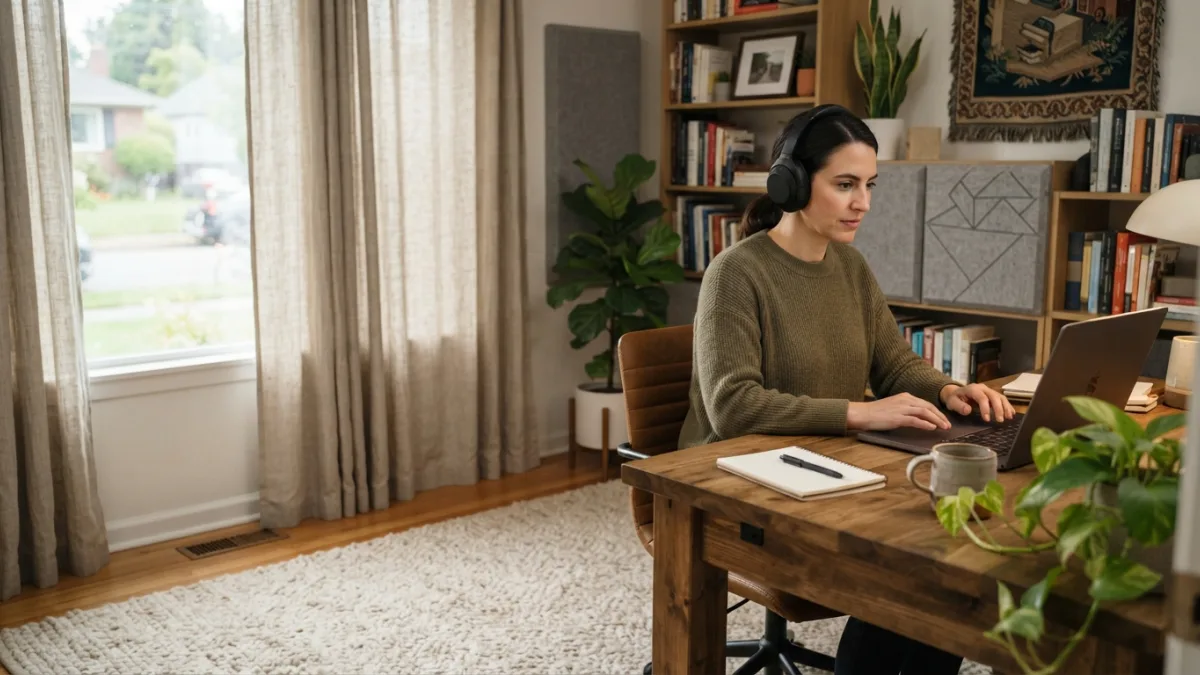
Sound absorbing rugs turn a hard, echoey floor into a softer one. Thick wool, felt or densely woven rugs usually work better than thin decorative ones. Add a rug pad underneath. The extra layer cushions footsteps and rolling chair wheels, and it keeps the rug from sliding around. Put the rug under your desk and stretch it as far into the room as you can. It will not stop a loud voice in the hallway, but it takes the sharp, ringing edge off sounds inside the room. That makes your own calls sound better, too. For a bigger effect, add a fabric chair, a few cushions or textile wall art. Soft things absorb sound. Hard things bounce it back. Keeping reduce noise in mind here will save you time later on.
Tip 3: Use Heavy Curtains for Noise Control
Heavy curtains for noise control will not turn a window into a wall, but they can take the edge off street sounds and room echo. Windows are a weak spot. Glass reflects sound inside the room and lets outdoor noise in. Choose thick, lined, floor-length curtains made of dense fabric, and hang them on a rod that extends well past the sides of the window so they cover the frame. Close them during the loudest hours, such as rush hour or garbage pickup. Curtains also help in rooms with big glass doors, where echo can feel harsh. If you cannot buy new ones, a thick blanket on a temporary rod works for a trial run. Expect a modest change, not silence. This connects closely with another common issue — see Home Office Decor Ideas: 7 Easy Budget Looks for Zoom for more on that. This detail matters more than it seems once reduce noise comes up again.
Tip 4: Install a Door Gap Seal
A door gap seal is one of the cheapest ways to reduce noise, and it often surprises people. Sound travels through any opening that air can pass through, and the space under a door is a big one. Fit a door sweep or draft stopper along the bottom. Then add self-adhesive foam or rubber weatherstripping around the frame. To find leaks, close the door and look for daylight around the edges. Where light gets through, sound can too. If you rent and cannot drill into the door, adhesive strips and a rolled towel make a fine short-term fix. A solid door blocks more than a hollow one, but sealing the gaps comes first, and it costs very little. It is one of those small things that makes reduce noise easier to manage overall.
Tip 5: Put On Noise Cancelling Headphones
Noise cancelling headphones can make a loud room feel far quieter, though they do not work equally well on every sound. They shine against steady, low hums such as fans, traffic and appliances. They struggle more with sudden sounds and speech. Active noise cancelling uses tiny microphones to pick up outside sound and create a signal that works against it. Comfort matters if you wear them all day, so try over-ear models for long sessions and take short breaks. Do not crank up the volume to fight the noise, because that can hurt your hearing over time. Headphones also send a clear message to family members: I am working right now. This is a common part of dealing with reduce noise, and it is worth keeping in mind.
Tip 6: Run a White Noise Machine
A white noise machine covers sudden sounds by giving your brain a steady background to settle into. This idea is called sound masking, and offices use it too. Place the device between you and the loudest source, such as near the door, not right on your desk. Keep the volume low. You only want to blur voices and clatter, not add a new distraction. Some people find classic white noise harsh and prefer softer choices like rain, a fan or a deeper “brown” noise, so test a few. If you do not want to buy a device, a desk fan or a free sound app on an old phone can do the same job. Keep the sound steady and boring. You might also find our article on Small Home Office: 7 Best Desk Ideas to Save Space helpful here. Many people run into this exact issue with reduce noise at some point.
Tip 7: Agree on Family Quiet Hours
Family quiet hours may be the most powerful fix on this list, because they deal with the source of the noise. Sit down with your partner, roommates or kids and pick two or three blocks each day when you need focus. Write them on a shared calendar or a note on the fridge. Add a simple signal, like a closed door, a sign or a small lamp that you switch on. Offer something back: a noisy lunch break, a loud afternoon, or a weekend with no work at all. With young children, keep the blocks short and predictable. Share your meeting schedule too. Clear rules reduce noise better than any gadget, and they keep the peace. Keeping reduce noise in mind here will save you time later on.
How to Handle Background Noise on Calls
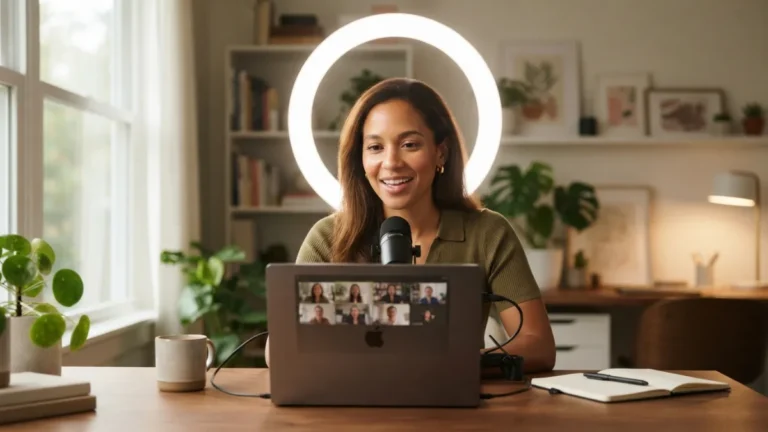
Background noise on calls is often a bigger problem for your coworkers than for you, so it deserves its own plan. Even in a lively house, you can control what other people hear. Try these steps before your next meeting: This detail matters more than it seems once reduce noise comes up again.
- Use a headset or a microphone that sits close to your mouth, so your voice stays louder than the room.
- Turn on the noise suppression setting in your meeting app. Most major platforms include one.
- Mute yourself when you are not speaking.
- Sit away from windows and close the door before you join.
- Tell the people at home when an important call starts and ends.
A quick test call with a friend can reveal what your microphone picks up, including sounds you have stopped noticing. For a related walkthrough, check out Hidden Cloffice: 7 Simple Steps to a Perfect Home Office. It is one of those small things that makes reduce noise easier to manage overall.
Start Small, Then Build Layers
You do not need to fix everything at once. Pick the loudest problem first. If it is echo, start with a rug or curtains. If it is leaking voices, seal the door and agree on quiet blocks. If it is a constant hum, try masking sound or headphones. After a week, check what changed and add the next layer. The best way to reduce noise is usually a mix of cheap, practical steps rather than one big purchase. Your home will never sound like a library, and that is fine. What you want is a room where you can think, talk and finish your work without wincing at every sound. This is a common part of dealing with reduce noise, and it is worth keeping in mind.
Frequently Asked Questions
Can I reduce noise in a home office on a small budget?
Yes. Rearranging furniture, sealing door gaps with adhesive strips, using blankets as curtains and setting house rules cost little or nothing. Add a rug or a fan later if you want more. Many people run into this exact issue with reduce noise at some point.
What is the most effective single change?
It depends on your noise. For voices and household activity, agreed quiet hours and a sealed door usually help most. For echo, soft items like rugs and curtains make the biggest difference. Keeping reduce noise in mind here will save you time later on.
Do headphones block human voices?
Not completely. Noise cancelling works best on steady, low sounds. Speech is harder to remove, so many people combine headphones with soft background sound or quiet hours. This detail matters more than it seems once reduce noise comes up again.
Can steady background sound make focus worse?
It can if the volume is too high or the sound is harsh. Keep it low, choose a sound you find calm, and stop using it if it feels tiring.
How do I keep my meetings clear in a noisy house?
Use a headset with a microphone near your mouth, enable your app’s noise suppression, mute when you are not talking, and close the door. A short test call helps you check the result.

Ghani Mejber — Founder & Lead Editor
Ghani Mejber is the founder and lead editor of Remote Work Routine. Having navigated the transition to full-time remote work firsthand, Ghani tests home office ergonomics, time-blocking workflows, and productivity software to help remote professionals structure their days and avoid burnout.